Category: Innovators and Organizations

  • How to Transform Your Mobile Concept Into a Truly Impactful Product

    How to Transform Your Mobile Concept Into a Truly Impactful Product

    Understanding Custom Mobile App Development

    The line between a successful digital product and a failed one often comes down to a single decision: off-the-shelf or custom. While template solutions promise speed and lower costs, custom mobile app development delivers what founders actually need: a competitive advantage built on unique functionality, brand identity, and scalability designed specifically for their market position.

    Custom Mobile App Development: The process of designing, building, and deploying mobile applications tailored to specific business requirements, user needs, and brand identity rather than using pre-built templates or generic solutions.

    Unlike cookie-cutter apps that force your vision into predetermined constraints, custom development starts with your specific problem and builds outward. You’re not selecting features from a dropdown menu; you’re architecting a solution that addresses your users’ exact pain points. This approach isn’t about vanity; it’s about creating sustainable differentiation in markets where mobile app usage continues to dominate, with users spending over 90% of their mobile time in applications.

    The custom development advantage manifests in three critical areas:

    • Technical flexibility: Your codebase adapts to your needs, not the reverse
    • Competitive moat: Proprietary features that competitors can’t easily replicate
    • Long-term economics: While initial costs run higher, you avoid recurring licensing fees and platform constraints

    However, the path from concept to launch isn’t straightforward. Founders face decisions about native versus cross-platform development, when to hire developers versus partnering with agencies, and how to balance feature ambition against realistic budgets. According to comprehensive development guides, the typical custom app timeline spans 4-9 months, with costs varying dramatically based on complexity and team structure.

    The stakes are clear: 63% of mobile app projects fail due to poor planning, unrealistic scoping, or misalignment between business goals and technical execution. Success requires treating app development not as a one-time project but as a strategic capability, one that demands rigorous validation, disciplined execution, and continuous iteration.

    Before you write a single line of code or sign a development contract, you need a framework for evaluating whether your app idea has genuine market fit. That validation process separates viable products from expensive mistakes.

    Table of Contents

    • Understanding Custom Mobile App Development
    • App Idea Validation: Ensuring Market Fit
    • Testing Before Building
    • How to Build Apps Without Code as a Non-Coder
    • Understanding the No-Code Landscape
    • When No-Code Makes Strategic Sense
    • Innovative Application Ideas: Standing Out in the Market
    • Finding Your Competitive Angle
    • Technical Differentiation That Matters
    • The Pattern-Breaking Question
    • Communicating with an App Developer Who Speaks ‘Founder’
    • Breaking Down the MVP Development Process
    • Hiring a Mobile App Developer: What Founders Need to Know
    • The True Cost of Misaligned Expertise
    • What to Look For Beyond the Portfolio
    • Engagement Models That Actually Work
    • Red Flags During the Vetting Process
    • Limitations and Considerations in Custom App Development
    • When Custom Development Becomes a Strategic Misstep
    • Resource Constraints That Derail Custom Projects
    • The Hidden Opportunity Cost of Custom Development
    • Frequently Asked Questions About Custom Mobile App Development
    • How much does custom mobile app development really cost?
    • How long does it take to build a custom mobile app?
    • How do I find an app development agency that fits my needs?
    • What’s the difference between native and cross-platform development?
    • Key Takeaways

    App Idea Validation: Ensuring Market Fit

    The most expensive mistake in custom mobile app development isn’t technical; it’s building something nobody wants. Before writing a single line of code, founders need evidence that their app solves a problem people will pay to fix. This founder’s guide to mobile apps process separates viable concepts from wishful thinking through systematic market validation.

    Problem-solution fit comes first. Rather than asking potential users if they’d use your app (they’ll almost always say yes), identify whether they currently struggle with the problem you’re addressing. According to industry research, successful apps emerge from validated pain points where existing solutions fall short. Document specific instances where your target users encountered friction in their current workflow. These concrete scenarios become your validation evidence.

    Testing Before Building

    The smartest validation happens with minimal investment. Create low-fidelity prototypes or landing pages that explain your app’s core value proposition, then measure genuine interest through sign-ups, pre-orders, or waitlist conversions. A prototype needn’t function; it just needs to communicate the concept clearly enough to gauge real demand. This approach, detailed in our startup app development framework, reveals whether users will actually engage before you commit development resources.

    Competitive analysis provides crucial context. Map existing solutions, both direct competitors and alternative approaches users currently employ. Identify gaps in functionality, user experience shortcomings, or underserved market segments. However, competition validates demand. An untouched market often signals a lack of viability rather than opportunity.

    Market size determines scalability potential. Calculate your total addressable market, serviceable addressable market, and serviceable obtainable market. A compelling app idea targeting fifty potential users won’t justify custom development costs, while one addressing thousands creates viable business economics. Industry data shows that successful mobile products typically demonstrate clear paths to acquiring at least 10,000 active users within their first year.

    Validation continues post-launch through metrics that matter: retention rate, daily active users, and conversion funnels. These indicators confirm whether you’ve achieved genuine product-market fit or simply attracted curious downloaders who quickly churned.

    For a comprehensive approach to validation methods and early-stage planning, explore our startup development resources designed specifically for non-technical founders navigating this critical phase.

    How to Build Apps Without Code as a Non-Coder

    The traditional path to app development, hiring engineers, managing sprints, and debugging code, represents just one approach. No-code and low-code platforms have matured to the point where non-technical founders can launch functional products in weeks rather than months, testing market fit before committing to custom development.

    No-code development: Building software applications using visual interfaces and pre-built components instead of writing traditional code, enabling non-programmers to create functional products.

    Understanding the No-Code Landscape

    No-code platforms fall into three distinct categories. App builders like Bubble and Adalo offer drag-and-drop interfaces for creating complete applications with databases, user authentication, and complex workflows. Workflow automation tools such as Zapier and Make connect existing services without custom integration code. Specialized builders focus on specific use cases, landing pages, internal tools, or e-commerce stores, with optimized templates for rapid deployment.

    The primary advantage isn’t just speed. These platforms force product discipline. When you can’t customize every pixel or feature, you focus on what actually matters to users. Mobile App Development Statistics 2026 show that feature bloat kills products faster than missing features, and no-code’s constraints naturally prevent over-engineering.

    When No-Code Makes Strategic Sense

    Three scenarios consistently favor the no-code approach for founders. First, pre-launch validation, building a functional prototype to test pricing, messaging, and core value proposition with real users. Second, MVP launches for non-technical products where differentiation comes from market positioning rather than technical innovation. Third, internal tools where speed matters more than polish, and the user base tolerates functional interfaces.

    What no-code can’t handle effectively: complex UX/UI design, mobile apps requiring custom interactions, products with proprietary algorithms, or applications needing tight hardware integration. These limitations aren’t fatal; many founders start with no-code for validation, then migrate to custom development once product-market fit is proven.

    The transition strategy matters. When building your initial no-code version, document every workflow, user journey, and data structure. This documentation becomes your specification when you’re ready to scale beyond prototype constraints. Treat your no-code MVP as an interactive requirements document rather than the final product.

    For a complete framework on moving from concept to launch without technical expertise, explore proven paths that non-technical founders use to validate and build their first product.

    Innovative Application Ideas: Standing Out in the Market

    The app marketplace isn’t suffering from a lack of apps; it’s drowning in mediocrity. With over 2 million apps each in the Apple App Store and Google Play Store, the real challenge isn’t building an app. It’s building one that people actually choose to download, keep, and recommend.

    Innovation in app development doesn’t require revolutionary technology. A genuinely innovative app identifies an underserved user need and solves it more elegantly than existing alternatives. The most successful apps often combine familiar patterns in unexpected ways rather than inventing entirely new concepts.

    Finding Your Competitive Angle

    Start by mapping the competitive landscape, but don’t stop at surface-level comparisons. Install and use the top five apps in your category for at least a week. Document every friction point, every confusing interaction, every moment you think “there must be a better way.” These friction points are your opportunity map.

    Consider the rapid development techniques that can help you test unique features faster. One practical approach is the “convergence strategy.” Identify features from separate categories and combine them in one streamlined experience. Fitness apps that integrate social accountability features didn’t invent fitness tracking or social networks, but the combination created new value.

    Technical Differentiation That Matters

    The decision between native app development and cross-platform approaches shouldn’t be purely technical; it should reflect your competitive strategy. Native app development provides superior performance and access to platform-specific features, making it the right choice when your differentiation depends on pushing device capabilities. Apps requiring AR experiences, complex animations, or hardware integration typically demand native development.

    However, most competitive advantages don’t require native code. If your innovation lies in superior UX design, business model innovation, or unique content, cross-platform tools can deliver that differentiation at a lower cost and faster speed.

    The Pattern-Breaking Question

    What typically happens in successful app innovation is this: founders stop asking “what features should we add?” and start asking “what features can we remove?” The most innovative apps often do less than competitors but execute those few things perfectly. Instagram launched with photo filters and sharing, nothing else. The constraint became the feature.

    Your differentiation strategy should answer one simple question: What will users tell their friends about your app? If that answer is “it has all the standard features,” you haven’t found your angle yet.

    Want to turn your innovative idea into reality without breaking your budget? Learn how strategic development approaches make custom apps accessible even for startups.

    Communicating with an App Developer Who Speaks ‘Founder’

    The breakdown in most founder-developer relationships doesn’t happen because of bad code; it happens because of bad translation. Founders speak in user outcomes and business metrics. Developers speak in frameworks and technical constraints. When these languages don’t converge, you get apps that work perfectly but solve nothing.

    The most productive conversations start with understanding what developers actually need to hear. When you say “we need this feature,” your developer hears a requirement without context. When you say “users are abandoning checkout at a 73% rate because of this friction point,” you’ve given them a problem to solve rather than a solution to implement. This distinction matters more than most founders realize.

    Breaking Down the MVP Development Process

    The MVP development process represents your first real test of founder-developer communication. In practice, this process forces you to articulate not just what you want built, but why certain features matter more than others. Developers can build anything; the question is what they should build first.

    Start conversations with the problem statement, not the feature request. Instead of “we need social login,” try “users are dropping off during signup, and our data shows authentication friction is the primary barrier.” This framing lets developers propose solutions you might not have considered, perhaps social login, perhaps magic links, perhaps something else entirely.

    One practical approach is timeboxing feature discussions. When a developer pushes back on a feature’s complexity, they’re often trying to protect your budget and timeline. Rather than defending the feature, ask: “What could we build in half the time that solves 80% of this problem?” This question reframes the conversation from “whether” to “how much.”

    Documentation matters more than most founders expect. According to custom mobile app development experts, clear requirement documentation reduces development time by 30-40% and prevents costly mid-project pivots. This doesn’t mean writing technical specifications; it means creating clear user stories that describe what users need to accomplish and why it matters to your business.

    The best founder-developer relationships operate on a principle of mutual translation. You translate business goals into user problems. They translate user problems into technical solutions. When both sides commit to this exchange, the question shifts from “can you build this?” to “what’s the best way to solve this?”

    For founders preparing to work with development teams, understanding what to clarify before starting prevents most communication breakdowns before they begin.

    Hiring a Mobile App Developer: What Founders Need to Know

    The developer you hire shapes whether your app becomes a strategic asset or an expensive liability. Most founders approach hiring with the wrong framework, treating it like filling a technical role rather than selecting a business partner who’ll influence product strategy, time-to-market, and scalability for years to come.

    The True Cost of Misaligned Expertise

    Development costs vary wildly based on who you hire, but the relationship between price and value isn’t linear. According to industry analysis, hourly rates range from $25-50 for offshore teams to $150+ for U.S.-based developers, but the critical variable isn’t rate, it’s alignment with your specific requirements.

    A developer skilled in consumer social apps might be completely wrong for a healthcare compliance project. Someone brilliant at AI-driven app features could struggle with straightforward e-commerce functionality. The question isn’t “Are they good?” It’s “Are they good at exactly what your business needs?”

    What to Look For Beyond the Portfolio

    Technical competence is table stakes. What separates adequate developers from exceptional partners is their ability to think commercially. A common pattern is that founders get dazzled by impressive GitHub repositories while missing red flags in business communication.

    Look for developers who ask about your revenue model before discussing technology stacks. The best developers challenge your assumptions, not to be difficult, but because they’ve seen what actually works in production. They should be able to explain technical decisions in business terms: “We’ll use this architecture because it reduces your per-user cost as you scale beyond 10,000 users.”

    Engagement Models That Actually Work

    The freelancer-versus-agency debate misses the point. What matters is accountability structure and continuity. Development approaches vary significantly in how they handle changes, communicate progress, and manage long-term maintenance.

    Fixed-price contracts sound appealing, but often lead to scope battles and feature cuts when you inevitably need adjustments. Time-and-materials provides flexibility but requires you to manage scope carefully. The optimal approach depends on how well-defined your requirements are and how much product iteration you anticipate.

    Red Flags During the Vetting Process

    Be wary of developers who promise exact timelines before understanding your requirements in depth. Reality check: if someone commits to delivering your “Uber for X” in eight weeks for $15,000, they’re either inexperienced or planning to cut corners that’ll haunt you later.

    Equally concerning is the developer who can’t articulate potential challenges. Every project has constraints and trade-offs. A developer who doesn’t raise concerns about your timeline, budget, or feature scope, either isn’t thinking critically or is telling you what you want to hear.

    The app submission process alone requires specialized knowledge; a developer who handwaves this as “no big deal” likely hasn’t managed many production launches. On the other hand, excessive pessimism (“everything will take three times longer than you think”) suggests someone who struggles with project management.

    The developer relationship determines whether your app becomes a competitive advantage or a cautionary tale; choose someone who understands your business context as deeply as they understand code.

    Limitations and Considerations in Custom App Development

    Custom mobile app development isn’t the right solution for every founder, every timeline, or every budget. Understanding when custom development makes strategic sense, and when it doesn’t, determines whether you’re making an informed investment or an expensive mistake.

    When Custom Development Becomes a Strategic Misstep

    Technical complexity doesn’t automatically justify custom development. If your core value proposition can be validated through existing platforms or if you can build apps without code using established tools, the six-month development timeline and $100,000+ budget for custom work may represent premature scaling. A founder who needs to test market demand for a basic appointment booking app faces a completely different calculus than one building a novel diagnostic tool requiring proprietary algorithms.

    The decision point centers on differentiation. When your competitive advantage lives in the user experience, data model, or workflow logic, elements that standard platforms can’t replicate, custom development becomes strategically defensible. When your advantage is speed to market, network effects, or operational execution, off-the-shelf solutions often win.

    Resource Constraints That Derail Custom Projects

    Technical Debt: The accumulated cost of shortcuts, workarounds, and deferred maintenance decisions that compound over time, eventually requiring expensive refactoring or complete rebuilds.

    Custom development creates ongoing maintenance obligations that many founders underestimate. Unlike subscription software, where updates happen automatically, your custom app requires continuous technical oversight, security patches, OS compatibility updates, third-party API maintenance, and server management. A founder without dedicated technical leadership or budget for retainer-based developer support faces accumulating technical debt that can cripple the app within 12-18 months.

    The talent retention challenge compounds this issue. Custom applications built by contractors create knowledge dependencies. When the original developer moves on, the next person inherits code without context, documentation without decision rationale, and architecture without explanation. What seemed like a cost-saving measure, hiring the cheapest qualified developer, becomes expensive institutional knowledge loss.

    The Hidden Opportunity Cost of Custom Development

    Time spent building custom infrastructure is time not spent validating business model assumptions. A six-month development cycle delays customer feedback, competitive learning, and revenue generation. In rapidly evolving markets, this delay can be fatal, not because the app is poorly built, but because market conditions shifted while you were building.

    The strategic question isn’t whether you can afford custom development, but whether custom development is the fastest path to learning what your customers actually value. For many founders, the answer is no, until it suddenly becomes yes when market traction validates the need for differentiated technology.

    For founders weighing these tradeoffs across different implementation strategies, our guide on cross-platform app development explores how architectural decisions can reduce both timeline risk and long-term maintenance burden.

    Frequently Asked Questions About Custom Mobile App Development

    How much does custom mobile app development really cost?

    Custom mobile app development typically ranges from $50,000 to $500,000+, depending on complexity, features, and team composition. A simple app with basic functionality might cost $50,000-$100,000, while a complex platform with advanced features, multiple integrations, and sophisticated backend infrastructure can exceed $300,000. According to industry benchmarks, the median cost for a mid-complexity business app falls between $100,000-$200,000.

    The real cost driver isn’t features alone; it’s the level of polish, platform coverage, and ongoing maintenance requirements. An MVP targeting one platform costs significantly less than a production-ready app supporting both iOS and Android with comprehensive testing and security hardening.

    How long does it take to build a custom mobile app?

    Development timelines vary dramatically based on scope and approach. A basic MVP might launch in 3-4 months, while a feature-complete app typically requires 6-9 months from concept to App Store approval. Research shows that most business applications take 6-12 months when accounting for discovery, design, development, testing, and deployment phases.

    Founders often underestimate the time required for non-coding activities: discovery workshops, design iterations, quality assurance testing, and the App Store review process can collectively consume 30-40% of the total timeline.

    How do I find an app development agency or freelancer that fits my needs?

    Start by evaluating agencies and developers based on technical expertise that matches your requirements, whether that’s React Native or Flutter for cross-platform development, native iOS/Android capabilities, or specific industry experience. Look for portfolios demonstrating apps similar in complexity to yours, not just visually appealing work.

    The best partnerships emerge when you assess communication style, project management methodology, and post-launch support capabilities alongside technical skills. Request detailed proposals that break down timelines, deliverables, and cost structures. Ask about their approach to handling scope changes, bug fixes, and ongoing maintenance. Most importantly, speak with their previous clients to understand how they perform under pressure and whether they deliver on commitments.

    What’s the difference between native and cross-platform development?

    Native development builds separate applications for iOS (using Swift) and Android (using Kotlin/Java), maximizing platform-specific performance and user experience. Cross-platform development uses frameworks like React Native to write code once and deploy to both platforms, reducing development time and cost by 30-40%.

    Native apps require maintaining two codebases. Cross-platform solutions offer faster time-to-market and easier maintenance. The right choice depends on your performance requirements, budget constraints, and long-term maintenance plans.

    Key Takeaways

    Custom mobile app development represents a significant commitment for founders, one that can define your startup’s trajectory. The decision to build custom software isn’t just about creating an application; it’s about crafting a strategic asset that evolves with your business, differentiates your offering, and scales alongside your ambitions.

    The fundamentals matter more than the features. Before a single line of code is written, successful custom development begins with thorough market validation, clear problem definition, and honest assessment of whether custom software truly solves a problem that existing solutions can’t address. With mobile apps generating $935 billion in revenue in 2023, the opportunity is substantial, but only for applications that deliver genuine value to users.

    Budget realistically from the start. Custom mobile app development typically ranges from $50,000 to $500,000, depending on complexity, with ongoing maintenance consuming 15-20% of initial development costs annually. Founders who succeed understand that this isn’t a one-time expense but an ongoing investment in their core product. The most expensive mistake isn’t building custom software; it’s building the wrong solution because you underfunded the discovery and planning phases.

    Your development approach shapes everything. Whether you choose native, cross-platform, or progressive web development directly impacts your timeline, cost structure, user experience, and technical debt. Each approach carries trade-offs that should align with your specific market positioning, target platforms, and technical requirements, not just what’s trendy or what your developer prefers.

    Success requires the right partnership model. Finding development talent that understands both the technical requirements and business context separates functional applications from strategic assets. The best outcomes emerge when founders maintain active involvement throughout the development lifecycle rather than treating their app as something to “hand off” to developers.

    The path from concept to launch won’t be linear, but founders who approach custom mobile app development with a clear strategy, realistic expectations, and commitment to iteration position themselves to build applications that don’t just launch, they scale, evolve, and ultimately define their market category.


  • Innovative Application Ideas for Entrepreneurs

    Innovative Application Ideas for Entrepreneurs

    In today’s fast-paced digital world, mobile applications are at the forefront of innovation. Entrepreneurs are constantly seeking new app ideas to capture market attention. The mobile app market is booming, offering vast opportunities for creative minds.

    Creating a mobile phone application can seem daunting. Many wonder, “Is it easy to make an app?” The process involves several steps, from ideation to launch. However, with the right guidance, it becomes manageable.

    Understanding how to build a phone application is crucial. Entrepreneurs need to grasp the basics of app development. This includes choosing the right tools and platforms. It’s about bringing cool app ideas to life.

    The demand for unique app ideas is ever-growing. Entrepreneurs must think outside the box. They should explore mobile phone application ideas that address real-world problems. This approach ensures relevance and user engagement.

    Community engagement apps are gaining traction. They address fragmented communication issues. Such apps enhance connectivity and organization within communities. They are among the top app ideas for entrepreneurs.

    Education and learning apps are also in high demand. They cater to diverse learning environments. These apps prioritize inclusivity and resource distribution. They are essential in today’s educational landscape.

    Health, wellness, and fitness apps are thriving. They offer users personalized experiences. Entrepreneurs can explore mobile app business ideas in this sector. It’s a lucrative market with immense potential.

    Business productivity and collaboration apps are vital. They streamline operations and enhance efficiency. Entrepreneurs should consider app-building ideas in this domain. These apps are crucial for modern businesses.

    Finance, investment, and budgeting apps are popular. They help users manage their finances effectively. Entrepreneurs can explore mobile application ideas for business in this area. It’s a growing market with significant opportunities.

    Lifestyle, travel, and entertainment apps captivate users. They offer unique experiences and convenience. Entrepreneurs should consider new phone app ideas in this sector. It’s a dynamic market with endless possibilities.

    The mobile app industry is ripe with opportunities. Entrepreneurs must harness innovative application ideas. By focusing on user-centric designs, they can create impactful apps. The journey from idea to app is challenging but rewarding.

    The Mobile App Market: Trends, Opportunities, and Challenges

    The mobile app industry is vibrant and ever-evolving. Projections suggest it will reach $407.31 billion by 2026. Entrepreneurs must stay informed about current trends to capitalize on emerging opportunities.

    Innovation drives the market forward. Emerging technologies like AI and AR create new possibilities. These advancements pave the way for unique app experiences.

    User demands continue to shape app development. Privacy and data security are top concerns. Apps that prioritize these are more likely to succeed.

    Monetization strategies are diverse, offering various revenue streams. Subscription models and in-app purchases are popular choices. These methods help apps become sustainable businesses.

    However, challenges persist. The market is highly competitive. Entrepreneurs must identify gaps to differentiate their offerings. Unique value propositions are vital.

    Localization is crucial for global market access. Apps must adapt to cultural nuances and languages. This approach enhances user appeal across regions.

    Here’s a look at key trends and challenges:

    • Growing demand for AI-enhanced apps
    • Emphasis on data security and privacy
    • Expanding into emerging markets
    • Navigating app store compliance
    • Rise of niche apps targeting specific user needs

    A focus on niche markets reduces competition. Entrepreneurs can better serve specific audiences. This strategy increases the app’s success potential.

    Continual improvement is essential. Entrepreneurs must adapt to shifting consumer behaviors. Staying agile ensures apps remain relevant. Through these insights, entrepreneurs can navigate the dynamic mobile app landscape.

    How to Generate and Validate New App Ideas

    Generating app ideas is both an art and a science. It requires creativity and market awareness. Entrepreneurs can draw inspiration from diverse sources.

    Observing everyday problems often sparks ideas. Successful apps commonly address user pain points. Look for gaps in current solutions.

    Trends and emerging tech provide fertile ground. AI, AR, and IoT are enabling new possibilities. Observing these sectors can yield novel concepts.

    Feedback is another valuable source of insight. Engage with communities and ask for their input. User stories and experiences highlight unmet needs.

    Once you’ve brainstormed ideas, validation is crucial. It ensures demand and viability. Conduct surveys and interviews with potential users.

    Market research provides objective evidence. Analyze competitors and industry reports. This data informs the feasibility of your app idea.

    Prototyping is a practical way to test concepts. It offers a tangible representation of your app. Gather feedback and iterate based on user input.

    Here are the steps to generate and validate app ideas:

    • Observe user needs and problems
    • Explore emerging technologies for inspiration
    • Conduct user interviews and gather feedback
    • Perform competitive market analysis
    • Build a prototype and test with real users

    Through careful validation, entrepreneurs mitigate risks. They align their vision with market realities. This process builds a solid foundation for development.

    Creativity, market insight, and validation work in tandem. These elements equip entrepreneurs to craft compelling apps. By following these steps, you can ensure that your app stands out and effectively meets user needs.

    Essential Steps: How to Create a Mobile Phone Application

    Creating a mobile phone application involves a clear process. It requires focus, planning, and execution. Entrepreneurs should be prepared for each phase.

    Start with thorough research. Understand your target audience and market. Identify their needs and preferences early on.

    Next, define your app’s purpose and features. This clarity guides development. List essential functions without over-complicating.

    Design is a critical step. Prioritize user experience and interface. Simple, intuitive navigation fosters engagement.

    Select the right development approach. Choose between native, hybrid, or web apps. Consider budget, timeline, and target platforms.

    Test the app extensively. Conduct both alpha and beta testing. Address bugs and improve functionalities through feedback.

    Comply with platform-specific guidelines. Adhere to standards set by app stores. This ensures a smooth submission process.

    Launch your app strategically. Prepare marketing and communication plans. Aim for a strong initial download rate.

    After launch, focus on maintenance. Monitor user feedback and app performance. Continuous updates improve and enhance user satisfaction.

    Development stages to consider include:

    • Research and planning
    • Define purpose and features
    • Design user experience and interface
    • Choose a development approach and tools
    • Build and code app functionalities

    For testing and launch:

    • Conduct thorough app testing
    • Adhere to platform guidelines
    • Launch with strategic marketing
    • Focus on continuous updates and feedback

    Entrepreneurs benefit from systematic approaches. Following these essential steps ensures a well-structured app development. It increases the likelihood of success and adoption in the market.

    Is It Easy to Make an App? Myths, Realities, and What to Expect

    Many believe creating an app is simple. It seems straightforward in concept. However, the reality is more complex.

    One common myth is that anyone can make an app quickly. While tools simplify the process, skills are needed. Technical knowledge remains a key component.

    Another misconception is that a great idea guarantees success. Ideas are critical, but execution matters most. An idea needs a robust plan and excellent delivery.

    Expectations can diverge from reality during development. Challenges arise unexpectedly. They require adaptability and problem-solving.

    It is easy to overlook hidden costs. App development often incurs unexpected expenses. Budgeting must consider these potential extra costs.

    Some think updates aren’t crucial post-launch. Continuous improvement keeps apps relevant. User feedback drives necessary updates and fixes.

    Despite myths, making an app is feasible for beginners. With resources and dedication, complexity becomes manageable. Entrepreneurs should approach app creation with a realistic mindset.

    Here’s what to keep in mind:

    • App development requires technical expertise.
    • A simple idea always succeeds.
    • Execution determines an app’s success.
    • Hidden costs can impact your budget.
    • Continuous updates are vital.
    • With the right mindset, creating an app becomes achievable.

    Top App Ideas for 2025 and Beyond

    In the ever-evolving world of technology, app innovation is pivotal. Entrepreneurs are exploring fertile grounds to build applications tailored to unique needs. The upcoming years present numerous opportunities.

    Community Engagement and Social Impact Apps

    Community-focused apps have seen a surge. They address the need for cohesive interaction, especially in fragmented communications. Platforms that enhance community engagement can revitalize participation. They provide streamlined channels for ideas, events, and initiatives.

    These apps can bridge gaps in communication. They amplify social causes, rallying people together for common goals. A digital hub where resources are easily accessible is invaluable.

    Key features include:

    • Event Scheduling
    • Communication Tools
    • Resource Sharing

    Developing such apps requires a focus on user interface and experience. An intuitive design fosters inclusivity across diverse user bases.

    The future of education lies in technology. Learning apps enhance access to knowledge and skills. They cater to diverse backgrounds, making learning inclusive and adaptive.

    Applications that prioritize diverse educational tools will thrive. They should offer personalized learning paths, catering to individual needs and pace. From virtual classrooms to skill-based courses, the possibilities are vast.

    Consider these essential elements:

    • Personalized Learning
    • Interactive Features
    • Resource Libraries

    Developers should focus on inclusivity, ensuring access for all, regardless of ability or location.

    Health, Wellness, and Fitness Apps

    Health and wellness apps are booming. These applications support users in achieving healthy lifestyles. They cover fitness routines, dietary guidance, and mental wellness.

    The focus is on personalization. Apps that tailor fitness plans and track health data are valuable. Mental health features, such as meditation guides and therapy sessions, are also key offerings.

    Consider building apps with these functionalities:

    • Fitness Tracking
    • Diet Planning
    • Mental Wellness

    Emphasizing privacy and data security is crucial due to sensitive health information.

    Business Productivity and Collaboration Apps

    In the realm of business, productivity apps play a crucial role. They empower teams and boost efficiency. Collaboration tools are integral as remote work continues to rise.

    These apps need features that support task management and communication. They unify dispersed teams, ensuring seamless operations. Real-time collaboration tools and integration options are key to success.

    Features to consider include:

    • Task Management
    • Communication Channels
    • File Sharing

    Integration with other business tools increases app value.

    Finance, Investment, and Budgeting Apps

    Financial literacy is essential for personal and business success. Finance apps simplify investment and budgeting. They empower users to make informed financial decisions.

    Applications should offer clear insights into budgeting, spending, and investments. They enable users to set goals and track financial progress seamlessly.

    Key features to include:

    • Budget Tracking
    • Investment Insights
    • Goal Setting

    Security protocols are paramount to protect sensitive financial information.

    Lifestyle, Travel, and Entertainment Apps

    Lifestyle apps enrich daily experiences. They offer travel planning, entertainment options, and lifestyle improvements. In a world brimming with choices, these apps provide curated recommendations.

    Such applications should deliver unique experiences tailored to users’ preferences. They can guide travel itineraries, manage daily routines, or offer entertainment suggestions.

    Consider features like:

    • Personalized Recommendations
    • Travel Planning
    • Entertainment Guides

    Ensuring a smooth user experience enhances app enjoyment and user loyalty.

    Unique and Niche App Ideas: Untapped Markets for Entrepreneurs

    Entrepreneurs often seek unconventional pathways in the bustling app market. Exploring niche markets can give you a competitive edge. Less competition means more room for innovation.

    Targeting Specific Communities

    Understanding unique community needs can spark brilliant app ideas. Whether it’s an app for hobbyists or a platform for specific cultural groups, the opportunities are immense. Catering to specialized interests can foster strong community bonds.

    Enhancing Specialized Services

    Some industries remain underserved by current apps. For example, crafting or personalized pet care services could benefit from dedicated platforms. These niche areas often lack digital solutions that simplify and enhance processes.

    Focused Problem Solving

    Apps that address specific challenges, such as rural healthcare access or urban gardening tips, can fill significant gaps. These solutions often attract dedicated user bases eager for tailored resources and solutions.

    Emerging Needs and Trends

    Monitoring emerging trends can lead to innovative apps. Think of how environmental concerns have spurred the growth of sustainability-focused apps. Anticipating these shifts can put you ahead of the curve.

    Key Features for Niche Apps

    When developing for niche markets, ensure the app includes:

    • Customized Content
    • Engagement Tools
    • User-Centric Design

    Exploring these underserved markets requires thorough research to understand and connect with potential users.

    How to Build a Phone Application: Tools, Platforms, and Resources

    Building a phone application involves several crucial steps. Each step requires careful planning and execution. The right tools and platforms can simplify this process significantly.

    Selecting a Development Approach

    First, decide on a development approach. You can choose between native, hybrid, and web applications. Native apps offer optimized performance for specific platforms but require more resources.

    Hybrid and Cross-Platform Solutions

    Cross-platform tools like React Native enable you to reach multiple audiences. They minimize development time by sharing codebases. This can be particularly useful for startups with limited resources.

    Frameworks provide structure to your project. They streamline the development process with pre-built modules and components. This saves time and reduces potential errors.

    Leveraging APIs and Libraries

    Integrate APIs and libraries to enhance app functionality. Whether you need mapping, payments, or social media integration, choose components that best serve your users.

    Importance of Prototyping

    Prototyping is crucial in testing concepts and usability before full-scale development. Use tools like Figma or Sketch for designing interactive prototypes that mimic final products.

    User-Centric Design: Accessibility, Privacy, and Inclusivity

    User-centric design is vital for any application’s success. Focusing on the user experience ensures that your app meets the needs of diverse users. It forms the foundation of accessible and effective applications.

    Prioritizing Accessibility

    Accessibility allows users of all abilities to interact with your app. Implement features like screen readers and voice commands. Make sure your design accommodates various impairments, such as visual or auditory.

    Ensuring Privacy

    Privacy concerns continue to rise among app users. Collect only essential data and be transparent about its use. Implement security measures to protect this data, building trust with your users.

    Inclusivity in Design

    Inclusivity broadens your user base and enhances user satisfaction. Design interfaces that reflect diverse cultures and languages. Consider color schemes that work for colorblind users.

    Key Principles of User-Centric Design

    • Accessibility
    • Privacy
    • Inclusivity

    The Role of Feedback

    User feedback helps identify and address design flaws. Encourage user reviews and conduct regular usability testing. These practices help improve app inclusivity and functionality.

    Tools for Implementing User-Centric Design

    Use tools like Adobe XD and InVision to create inclusive designs. These platforms offer features that support accessibility and inclusivity checks.

    Monetization Strategies: Turning Great App Ideas into Profitable Businesses

    Successful monetization is key to your app’s long-term viability. It’s not just about generating revenue but also about sustaining your business.

    Subscription Models

    Subscriptions offer a steady income stream. They entice users with continuous access to premium content. They also allow you to predict revenue, aiding in budget planning.

    In-App Purchases

    In-app purchases can significantly enhance earnings. Offer additional features, content, or resources within the app. This strategy works well for games and educational apps.

    Advertisements

    Running ads can be a viable option, especially for free apps. However, balance is key. Too many ads can drive users away. Choose non-intrusive ad placements.

    Popular Monetization Strategies

    • Subscriptions
    • In-App Purchases
    • Advertisements

    Freemium Model

    The freemium model is highly effective. Offer a basic version for free while charging for premium features. This model attracts a wide user base and potential paying customers.

    Partnerships and Sponsorships

    Partner with brands for mutual benefit. Sponsorships can provide financial support while enhancing your app’s visibility.

    Marketing Your App: From Launch to Growth

    Launching an app is just the beginning. Effective marketing is crucial to gaining traction and growing your user base.

    Create a Compelling Brand Narrative

    Your app needs a story that resonates. A compelling brand narrative connects with users emotionally. It also helps distinguish your app from competitors.

    Utilize Social Media

    Social media platforms are powerful marketing tools. Engage with your audience and showcase your app’s features. Regular updates keep users informed and interested.

    Leverage Influencer Marketing

    Influencers can bring credibility and visibility. Collaborate with them to reach their followers and expand your app’s audience. Choose influencers aligned with your brand values.

    Optimize for the App Store

    App Store Optimization (ASO) increases visibility. Focus on keywords, descriptions, and captivating visuals. High app ratings and positive reviews also boost ranking.

    Steps to Enhance App Visibility

    • Develop a Brand Story
    • Active Social Presence
    • Influencer Collaborations
    • ASO Techniques

    Measure and Analyze

    Track marketing campaign performance. Use analytics to refine strategies. Understanding user behavior can lead to targeted improvements, enhancing retention and growth.

    By thoughtfully executing marketing strategies, you can transform a mere launch into sustained growth, ensuring your app’s long-term success in a competitive market.

    Future-Proofing Your App: Trends, Scalability, and Continuous Improvement

    Creating an app is a significant initial achievement. But ensuring its longevity requires a forward-thinking strategy.

    Embrace Emerging Technologies

    Stay updated on technological advancements. Integrating new tech can enhance user experience and keep your app relevant. AI, AR, and IoT are areas to watch.

    Plan for Scalability

    Growth should be seamless. Architect your app to handle increased traffic and users. Scalable solutions reduce downtime and maximize performance.

    Prioritize Regular Updates

    Continuously update your app based on user feedback. Regular updates fix bugs and introduce new features. This keeps users satisfied and engaged.

    Monitor Market Trends

    Be aware of industry trends. Adapt to changing user preferences and market demands. This insight helps adjust your strategy and improve competitiveness.

    Key Aspects of Future-Proofing

    • Technology Integration
    • Scalable Architecture
    • Consistent Updates
    • Trend Awareness

    Build a Feedback Loop

    Implement a strong feedback mechanism. Engage users in development by using insights to iterate. This cycle of improvement ensures your app remains valuable over time.

    Conclusion: Empowering Entrepreneurs to Build the Next Generation of Mobile Apps

    Building a successful app goes beyond having a brilliant idea. It requires dedication, strategic planning, and a deep understanding of user needs.

    The mobile app market is dynamic. Entrepreneurs must stay agile and informed to thrive in this ever-evolving landscape. Opportunities abound for those who dare to innovate.

    User-centric design remains pivotal in app development. Prioritizing accessibility and privacy enhances user satisfaction and engagement. This approach also fosters trust and loyalty among your audience.

    Leveraging modern technologies can significantly elevate app functionalities. AI, AR, and IoT provide fertile ground for creating cutting-edge applications. Entrepreneurs are encouraged to explore these avenues for growth.

    In the end, the future of mobile apps holds immense promise. By embracing change and focusing on continuous improvement, entrepreneurs can lead the way in shaping the next era of mobile innovation. By doing so, they can make a significant impact on users and the tech community at large.

  • App Idea Validation to Fail Fast and Win Big

    App Idea Validation to Fail Fast and Win Big

    You’ve got an exciting app idea that keeps you up at night. You’re convinced it could change the world, or at least solve a meaningful problem. But before you invest thousands in development, there’s a crucial step many entrepreneurs skip: validation. Did you know that 42% of startups fail because they build products nobody wants? App idea validation is the process of testing your concept in the real world before writing a single line of code or spending a dollar on development. This guide will walk you through practical, zero-cost validation techniques that can save you from building an app nobody will use.

    What Is App Idea Validation and Why It Matters

    App idea validation is the systematic process of confirming that your app concept solves a real problem for a specific audience and that there’s genuine market demand for your solution. It’s essentially testing your assumptions before investing significant time and resources into development.

    The validation process typically includes market research, competitor analysis, user interviews, prototype testing, and gathering feedback. These steps help you understand if your idea has merit and how it might need to be refined before development.

    Why validation matters

    Studies show that the #1 reason startups fail is building something nobody wants. Validation helps you avoid this pitfall by confirming market demand early.

    When you validate your app idea properly, you gain several advantages:

    • Evidence of genuine market demand
    • Insights to improve your concept
    • Clarity on the best development approach
    • Confidence to move forward or pivot
    • Reduced risk of wasting time and money

    The best part? You can validate your app idea without spending a dollar. The techniques in this guide use free tools and approaches that anyone can implement, regardless of technical background.

    Step 1: Define the Problem Your App Will Solve

    The foundation of any successful app is a clear, compelling problem statement. Before you can validate your idea, you need to articulate exactly what problem your app solves and for whom. This clarity will guide your entire validation process.

    Crafting Your Problem Statement

    A good problem statement should answer these four questions:

    • Who has the problem? Define your target users with specificity.
    • What is the problem? Describe the pain point or challenge they face.
    • Why is the problem important? Explain the impact or consequences of this problem.
    • How might your app solve it? Outline your proposed solution.

    For example, a dog-walking app might have this problem statement: “Busy dog owners struggle to find reliable, trustworthy people to walk their pets during work hours, leading to guilt and anxiety. Our app connects them with verified local dog walkers who provide real-time updates.”

    The most successful apps don’t just offer features; they solve meaningful problems. If you can’t clearly articulate the problem, you might not have a viable app idea yet.

    Testing Your Problem Statement

    Once you’ve crafted your problem statement, test it by asking:

    • Is this a real problem people experience regularly?
    • Is it painful enough that people would pay to solve it?
    • Are there enough people who have this problem?
    • Is my solution significantly better than existing alternatives?

    Be brutally honest with yourself. It’s better to refine your problem statement now than to build an app that addresses a non-existent or trivial problem.

    Step 2: Conduct Zero-Cost Market Research

    Market research doesn’t require expensive tools or consultants. With the right approach, you can gather valuable insights about your target market and competitors without spending a dime.

    Understanding Market Size and Trends

    Start by assessing if there’s a large enough market for your app idea:

    • Google Trends: Track interest in keywords related to your app concept over time. Is interest growing, stable, or declining?
    • Google Keyword Planner: See how many people search for terms related to the problem your app solves.
    • Industry reports: Many organizations publish free market research summaries you can access.

    Analyzing Competitors

    Next, identify and analyze existing solutions:

    • Search app stores for similar apps. Download and use them to understand their strengths and weaknesses.
    • Read user reviews to identify pain points and unmet needs.
    • Create a spreadsheet comparing features, pricing models, and user complaints across competitors.
    • Look for gaps or opportunities your app could address.

    Pro Tip: Don’t be discouraged if you find competitors. Their existence proves market demand. Focus on finding a unique angle or improvement that sets your app apart.

    Mining Online Communities for Insights

    Online communities are goldmines for understanding user needs:

    • Reddit: Find subreddits related to your niche and search for discussions about the problem you’re solving.
    • Quora: Look for questions about the problem your app addresses.
    • Facebook Groups: Join groups where your target users gather and observe their discussions.
    • Product Hunt: See how users respond to similar products.

    Pay special attention to the language people use to describe their problems. This “voice of customer” data will be invaluable for your messaging later.

    App Idea Validation

    Step 3: Define and Connect With Your Target Audience

    To validate your app idea effectively, you need to understand exactly who your target users are and connect with them directly. This step helps you gather authentic feedback from the people who would actually use your app.

    Creating User Personas for App Idea Validation

    Start by developing user personas, fictional representations of your ideal users based on research:

    • Demographics: Age, location, occupation, income level
    • Behaviors: Digital habits, app usage patterns, purchasing behavior
    • Goals: What they’re trying to accomplish
    • Pain points: Specific challenges they face
    • Motivations: What drives their decisions

    For example, instead of targeting “busy professionals,” create a specific persona like “Sarah, a 34-year-old marketing manager who works 50+ hours weekly and struggles to maintain work-life balance.”

    Finding Your Target Users

    Once you’ve defined your personas, find real people who match them:

    • Personal network: Start with friends, family, and colleagues who fit your target profile.
    • Social media: Join groups where your target users gather.
    • Professional networks: Use LinkedIn to connect with people in relevant roles or industries.
    • Online forums: Engage in communities focused on the problem you’re solving.
    • Local meetups: Attend events where your target users might be present.

    The quality of your validation depends on the quality of your feedback sources. Five conversations with ideal users are more valuable than fifty with people outside your target market.

    Conducting User App Idea Validation Interviews

    When interviewing potential users, focus on understanding their experiences rather than pitching your solution:

    • Ask open-ended questions about how they currently handle the problem.
    • Explore their frustrations with existing solutions.
    • Understand what an ideal solution would look like for them.
    • Only after discussing the problem, briefly describe your concept and gauge their reaction.

    Document these conversations carefully, looking for patterns across multiple interviews. If several people express the same pain points and show enthusiasm for your solution, that’s a positive validation signal.

    Step 4: Gather Structured Feedback Through App Idea Validation Surveys

    While one-on-one interviews provide deep insights, surveys allow you to collect feedback at scale. Free survey tools make this an accessible validation method for any app idea.

    Creating Effective App Idea Validation Surveys

    Use tools like Google Forms, SurveyMonkey (free tier), or Typeform (free tier) to create surveys that:

    • Confirm the existence and importance of the problem
    • Assess current solutions and their limitations
    • Gauge interest in your proposed solution
    • Identify must-have features versus nice-to-haves
    • Determine potential pricing expectations

    Sample App Idea Validation Survey Questions

    Problem Validation Questions

    • How often do you encounter [specific problem]?
    • On a scale of 1-10, how frustrating is this problem for you?
    • What impact does this problem have on your daily life/work?

    Solution Validation Questions

    • How do you currently solve this problem?
    • What do you like/dislike about your current solution?
    • If there were an app that [describe your solution], how likely would you be to use it?

    Feature Prioritization Questions

    • Which of these features would be most important to you? (List options)
    • What features would make this app a must-have for you?
    • What would make you choose this app over existing alternatives?

    Survey Best Practices: Keep surveys short (5-7 minutes to complete), start with simple questions, and end with open-ended ones. Include screening questions to ensure respondents match your target audience.

    Distributing Your App Idea Validation Survey

    Share your survey through:

    • Social media groups where your target audience gathers
    • Relevant online forums and communities
    • Your personal and professional networks
    • Email to contacts who match your target profile

    Aim for at least 30-50 responses for meaningful patterns to emerge. Look for strong consensus around the problem’s importance and enthusiasm for your solution.

    Step 5: Create a Prototype

    A prototype brings your app idea to life visually, allowing potential users to interact with it and provide more concrete feedback.

    Paper Prototyping: The Simplest Approach

    Start with paper prototyping, a quick, cost-effective method:

    • Sketch key screens of your app on paper or index cards
    • Focus on the main user flows and core functionality
    • Use arrows or notes to indicate transitions between screens
    • Test with users by manually “switching screens” as they interact

    Despite its simplicity, paper prototyping can provide valuable insights into usability issues and feature priorities.

    Testing Your Prototype

    Once you have a prototype, test it with potential users:

    • Give testers specific tasks to complete using the prototype
    • Observe where they get confused or stuck
    • Ask them to “think aloud” as they navigate
    • Gather feedback on the concept, flow, and features
    • Note any suggestions for improvements

    Prototype testing often reveals unexpected insights about how users actually want to use your app, which may differ from your initial assumptions.

    Step 6: Test Market Demand with an App Idea Validation Landing Page

    A landing page acts as a virtual storefront for your app idea, allowing you to test market demand before building anything. It’s one of the most powerful validation tools because it measures actual user behavior rather than just stated opinions.

    Creating an Effective Landing Page

    Use free or low-cost tools like Carrd, Google Sites, or WordPress.com to create a simple landing page that includes:

    • Compelling headline that clearly communicates your app’s value proposition
    • Brief description of the problem and how your app solves it
    • Visual mockups from your prototype to show the app concept
    • Key features and benefits presented as bullet points
    • Call-to-action like “Join the Waitlist” or “Get Early Access”
    • Email signup form to capture interested users

    Landing Page Tip: Keep it simple and focused on a single action, collecting email signups. This measures genuine interest in your app concept.

    Driving Traffic to Your Landing Page

    With your landing page live, drive relevant traffic to it:

    • Social media sharing in groups where your target audience gathers
    • Forum posts in relevant communities (where allowed)
    • Direct outreach to people who match your target persona

    Measuring Landing Page Success

    Track these key metrics to gauge interest:

    • Conversion rate: What percentage of visitors sign up? A 10%+ rate is promising.
    • Bounce rate: How quickly do people leave? High bounce rates may indicate messaging issues.
    • Time on page: Are people engaging with your content?
    • Traffic sources: Which channels bring the most engaged visitors?

    A landing page that consistently converts visitors to signups provides strong validation that your app idea resonates with your target audience.

    Step 7: Run a “Fake Door” Test

    A “fake door” test is a powerful validation technique where you create the illusion that your app already exists to measure genuine user intent. It’s particularly valuable because it measures what users will actually do, not just what they say they’ll do.

    How Fake Door Testing Works

    The basic process involves:

    • Creating a landing page or advertisement for your app as if it already exists
    • Including a prominent call-to-action like “Download Now” or “Sign Up.”
    • When users click the CTA, a message explaining that the app is still in development
    • Offering them a chance to join a waitlist for early access

    Important: Always be transparent in your follow-up message to avoid frustrating potential users. Explain that you’re validating the concept and appreciate their interest.

    Setting Up a Fake Door Test

    Here’s how to implement this test:

    • Create a landing page with a clear value proposition and “Download” or “Sign Up” button
    • Set up a thank-you page that explains the app is coming soon
    • Include an email capture form on the thank-you page
    • Track click-through rates on the main CTA
    • Measure how many people still sign up after learning the app isn’t available yet

    High click-through rates on your CTA indicate strong initial interest. If people still sign up after learning the app isn’t ready, that’s even stronger validation of genuine demand.

    Fake door testing measures intent, not just interest. It shows whether people would actually take action to use your app, not just whether they think it’s a good idea.

    Ethical App Idea Validation Considerations

    When conducting fake door tests:

    • Be honest and transparent about your intentions
    • Don’t collect payment information
    • Provide value to interested users (updates, early access, etc.)
    • Consider offering an incentive for their time and interest

    A well-executed fake door test balances gathering valuable validation data with respecting potential users’ time and goodwill.

    Step 8: Leverage Social Media for App Idea Validation

    Social media platforms offer powerful, free channels for validating your app idea with real users. Beyond just sharing your concept, you can use these platforms strategically to gather insights and measure interest.

    Reddit

    • Find subreddits related to your app’s niche
    • Post thoughtful questions about the problem you’re solving
    • Share your concept for feedback (following community rules)
    • Look for patterns in comments and upvotes

    Facebook Groups

    • Join groups where your target users gather
    • Participate genuinely before asking for feedback
    • Create polls to gauge interest in specific features
    • Share prototype links for direct feedback

    LinkedIn

    • Share your concept with your professional network
    • Create polls for B2B app validation
    • Publish articles about the problem you’re solving
    • Measure engagement with your posts

    Creating Effective Social Media Validation Posts

    When sharing your app concept on social media:

    • Focus on the problem first before introducing your solution
    • Ask specific questions to guide the feedback you receive
    • Include visuals from your prototype when possible
    • Be responsive to all comments and questions
    • Track engagement metrics like comments, shares, and reactions

    Social Validation Tip: Genuine engagement works better than promotional posts. Ask questions, seek advice, and position yourself as someone solving a problem, not selling a product.

    Using Social Media Polls and Surveys for App Idea Validation

    Many platforms offer built-in polling features that provide quick validation data:

    • Twitter/X polls for quick yes/no validation
    • Instagram Story polls for visual concept testing
    • Facebook Group polls for more detailed feature prioritization
    • LinkedIn polls for professional/B2B validation

    Social media validation is particularly valuable because it often reaches people outside your immediate network, providing more objective feedback.

    Step 9: Analyze App Idea Validation Results and Refine Your Concept

    After completing your validation activities, it’s time to analyze all the data you’ve collected and make informed decisions about your app concept. This critical step transforms raw feedback into actionable insights.

    Organizing Your App Idea Validation Data

    Start by compiling all feedback from different sources:

    • Interview notes and key quotes
    • Survey responses and statistics
    • Prototype testing observations
    • Landing page metrics
    • Social media engagement and comments

    Look for patterns and consistent themes across different validation methods. The strongest insights are those that appear repeatedly from multiple sources.

    Key Validation Questions to Answer

    Is the problem real and significant?

    Did your target users consistently confirm that the problem exists and is important enough to solve? Look for emotional responses that indicate pain points.

    Is your solution compelling?

    Did users express genuine enthusiasm for your proposed solution? Did they understand it easily? Would they choose it over alternatives?

    Is there market demand?

    Did your landing page convert visitors into signups? Did your fake door test show intent to download or purchase? Is there a large enough audience?

    What needs to change?

    What consistent feedback did you receive about improvements, missing features, or confusing elements? What surprised you about user reactions?

    Making Data-Driven Decisions with App Idea Validation

    Based on your analysis, you’ll typically face one of three paths forward.

    • Proceed: Your validation shows strong evidence that your app idea has merit and market demand. Move forward with development, focusing on the features and aspects users valued most.
    • Pivot: Your core concept has potential, but significant aspects need rethinking. Use validation insights to reshape your idea before proceeding.
    • Pause or Abandon: Validation revealed fundamental flaws in your concept or insufficient market demand. Consider shelving this idea and applying your learnings to a new concept.

    The goal of validation isn’t to prove your idea is perfect; it’s to learn what works, what doesn’t, and how to improve before investing in development.

    Document your findings and decisions carefully. This validation report will be invaluable if you proceed to development, helping guide feature prioritization and marketing messaging.

    Next Steps: From App Idea Validation to Development

    If your validation results are positive, you’re ready to move from concept to reality. Here’s how to transition from validation to development while maintaining the lean, cost-effective approach that’s guided you so far.

    Define Your MVP (Minimum Viable Product)

    Use your validation insights to define the smallest possible version of your app that delivers value:

    • Focus only on features that address the core problem
    • Prioritize functionality that users consistently identified as essential
    • Eliminate nice-to-have features for the initial version
    • Map out the simplest user journey that delivers your value proposition

    A well-defined MVP lets you enter the market quickly and continue learning from real usage.

    Explore Low-Cost Development Options

    Even in the development phase, there are ways to minimize costs:

    • Development partnerships: Find technical co-founders or revenue-sharing arrangements
    • Phased development: Build core features first, then add more based on user feedback

    Development Tip: Your validation materials (problem statement, user research, prototype) are valuable assets for any development team. They reduce ambiguity and help developers understand exactly what needs to be built.

    Prepare for Continued Validation

    Validation doesn’t end when development begins. Plan to continue learning:

    • Set up analytics to track key user behaviors
    • Create feedback channels within your MVP
    • Plan for regular user testing sessions
    • Establish metrics that define success for your app

    The most successful apps evolve based on ongoing user feedback and data, not just initial validation.

    Conclusion: The Power of App Idea Validation

    App idea validation isn’t just a preliminary step; it’s the foundation of successful app development. By investing time in validation before spending money on development, you dramatically increase your chances of building something people actually want and will use.

    The zero-cost validation methods we’ve covered, from problem definition and market research to prototyping and landing page tests, provide a comprehensive framework for testing your app concept. These techniques help you gather real evidence about market demand, refine your idea based on user feedback, and make informed decisions about moving forward.

    Remember that validation is an iterative process. Your initial concept will likely evolve as you learn more about your users and their needs. Embrace this evolution—it’s a sign that you’re building something truly valuable rather than just executing a predetermined plan.

    Whether your validation journey leads you to proceed with development, pivot to a better concept, or pause to reconsider, the insights you’ve gained are invaluable. You now understand your target market better, have evidence of what users want, and can approach development with confidence and clarity.

    Ready to Validate Your App Idea?

    Start your validation journey today using the free techniques in this guide. The sooner you begin testing your assumptions, the faster you’ll know if your app idea has real potential.

  • Startup App Development Guide for Non-Coders

    Startup App Development Guide for Non-Coders

    It’s a familiar feeling. You have a vision for a digital tool that could solve a real problem for your community or shake up an industry. But the moment you sit down to make it happen, you hit a wall. You aren’t a coder. You don’t speak “developer.” And when you Google “how to build an app,” you are bombarded with expensive agencies and confusing jargon. What you need is a clear, actionable startup app development guide. 

    Many of the innovators and organizations I talk to feel exactly this way: immobilized. They have the concept, but the gap between “idea” and “impactful product” feels impossible to bridge. 

    Startup App Development Guide: The Good News

    You don’t need to be a tech wizard to launch a successful app. You just need a clear roadmap. 

    This startup app development guide is designed to move you past the “dreaming” stage. Whether you are an entrepreneur, a non-profit, or a community leader, these five steps will help you confirm, build, and launch your bold ideas.

    Startup App Development Guide

    Validate Before You Build 

    The biggest mistake new founders make is rushing into code before they understand the problem they are solving. Before you spend a dollar on development, you need to confirm your concept. 

    At Bessa, I believe in empathy and inclusivity. This means deeply understanding the people you are trying to help. 

    Find the Pain Point: What specific problem does your audience face? 

    Talk to Humans: Don’t just guess. Interview with potential users. Ask them how they currently solve this problem. 

    Check out the Competition: Is there already an app for this? If so, how can you be more inclusive, more intuitive, or more specific to your community’s needs? 

    Startup App Development Guide

    Define Your MVP (Minimum Viable Product) 

    “Scope creep” is the enemy of the startup. You might dream of an app that has social networking, video streaming, and AI chatbots all in one. But trying to build everything at once is expensive and time-consuming. 

    A smart startup app development guide always emphasizes the MVP. 

    What is an MVP? It is the simplest version of your product that still solves the core problem. 

    Why start small? It allows you to enter the market faster and with less financial risk. 

    Remember, our goal is financial stability and sustainability. By stripping your idea down to its essentials, you can keep your first costs affordable, often between $1,500 and $3,000 for a complete project, rather than tens of thousands.

    Startup App Development Guide

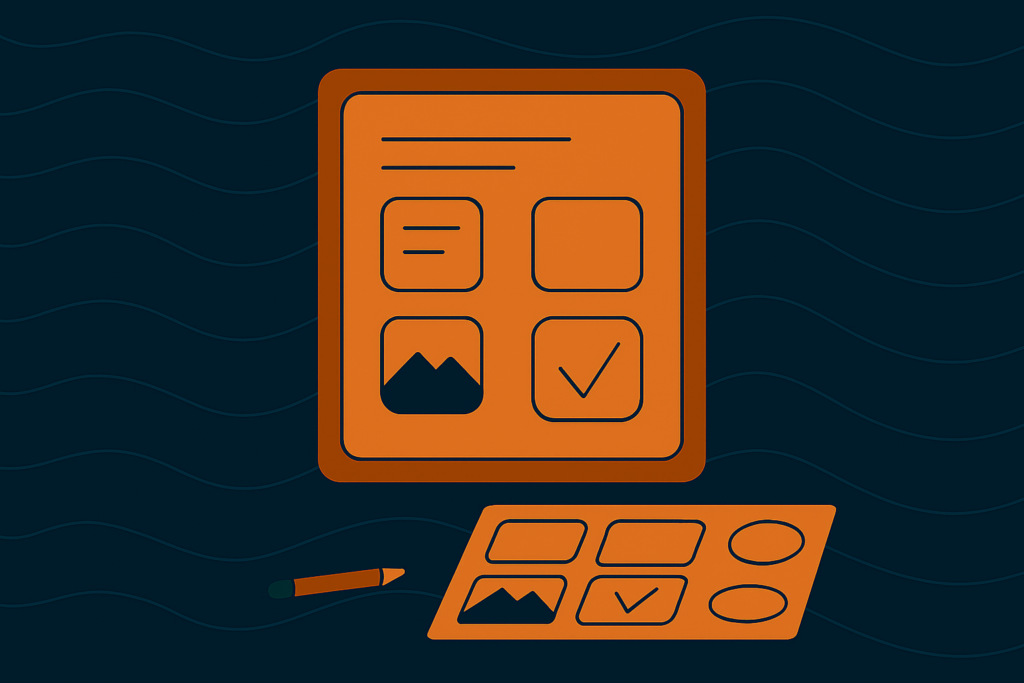
    Sketch Your Vision (No Art Skills Required) 

    You don’t need professional design software to start visualizing your app. You just need a napkin and a pen. 

    This phase is about the User Journey. Imagine your ideal client opening the app. 

    What is the first thing they see? 

    What button do they click to get what they want? 

    How do they feel when they finish the task? 

    Sketching these screens (called wireframing) bridges the gap between your creative brain and the logical code. It helps your developer understand exactly what you need, ensuring the final product works beautifully. 

    Startup App Development Guide

    Choose Cross-Platform Development 

    Historically, if you wanted an app, you had to make a tough choice: build Apple (iOS), build Android, or build a website. Doing all three usually means hiring three different teams and paying triple the price. 

    This is where modern custom cross-platform solutions change the game. 

    As a freelancer who specializes in end-to-end processes, I advocate for building apps that work on iOS, Android, and the web simultaneously. 

    The Benefits: 

    One Codebase: Build it once, and it runs everywhere. 

    Wider Reach: You don’t have to alienate half your audience because they have the “wrong” phone. 

    Easier Maintenance: Updates happen across all platforms at once. 

    This approach makes the development process feel non-intimidating and ensures your digital presence can grow as you do. 

    Startup App Development Guide

    Launch and Distribute 

    You’ve built it. Now, how do you get it into people’s hands? 

    The last step of this startup app development guide is distribution. This is often the scariest part for non-tech founders because of the strict guidelines of the Apple App Store and Google Play Store. 

    You need a partner who understands App Store Optimization (ASO) and the submission process. This ensures your app doesn’t just sit on a server, but is discoverable, downloadable, and ready for your community to use. 

    Startup App Development Guide Summary

    The difference between an idea and a successful startup is simply taking the first step. 

    You don’t need to know how to code to be an innovator. You just need a partner who is creative, logical, and ready to turn your bold ideas into reality. 

  • Hire an App Developer Who Speaks “Founder”

    Hire an App Developer Who Speaks “Founder”

    You have a bold idea and know how it will help your community or grow your business. But when you think about the technical side of things and how to hire an app developer, you feel stuck.

    For many innovators and organization leaders, the search for a technical partner is the most intimidating part of the journey. You might worry about being overcharged, overwhelmed by technical terms, or ending up with a product you can’t use.

    If you are wondering how to hire an app developer without getting lost in translation, you are not alone. This guide strips away the jargon to help you find a partner who is transparent, empathetic, and right for your specific needs.

    Hire an App Developer

    Know What You Need (It’s Less Than You Think)

    A common misconception is that you need a 50-page technical specification document before you can even talk to a developer. This often leaves founders feeling immobilized.

    In reality, you just need a clear concept. Look for a developer who offers support during the ideation and concept generation stage. The right partner won’t expect you to have all the answers; they will help you refine your bold ideas into a concrete plan.

    Hire an App Developer

    Hire an App Developer vs. Hire a Big Agency

    When you type “hire a mobile app developer” into Google, you usually find two options: massive agencies or independent freelancers.

    • Agencies: They have large teams, but they often come with high overhead costs and can feel impersonal.
    • Freelance App Developers: This is often the better route for startups and non-profits. A freelancer offers a direct line of communication.

    At Bessa, I focus on being both creative and logical, keeping services empathetic and inclusive. You aren’t just an account number; we are building this together.

    Hire an App Developer

    The “Must-Ask” Questions

    To ensure you are hiring a partner who can deliver custom cross-platform solutions, ask these three questions during your initial chat:

    “Do you build for both iOS and Android?” Avoid developers who want to charge you double to build two separate apps. Modern mobile app development services should include cross-platform development (iOS, Android, and the web) to expand your digital presence efficiently.

    “What happens after the app is built?” Many developers write the code and disappear. Look for someone who offers an end-to-end process, including App Store distribution (handling Apple and Google submissions) and basic ASO (App Store Optimization), so people can actually find your app.

    “Can you explain this without the jargon?” If a developer hides behind “jargon walls,” run. A professional partner should always be easy to understand.

    Hire an App Developer

    Look for Empathy, Not Just Code

    Finally, hire someone who cares about the purpose of your app, not just the code.

    Whether you are an entrepreneur scaling a solution, an organization improving internal tools, or a community fostering connection, your developer should share your values of innovation and curiosity.

    The Bottom Line

    Finding a developer doesn’t have to be a scary process. It should be the exciting first step toward launching your vision.

    I make the mobile app development process feel non-intimidating. I offer an end-to-end process, from ideation to app distribution, ensuring your bold idea becomes a reality.

    Your app idea is great. Now let’s build it.

  • Before You Hire a Mobile App Developer, Know This

    Before You Hire a Mobile App Developer, Know This

    The global mobile app development market is experiencing rapid growth and is projected to reach $781 billion by 2029. As technology continues to advance, an increasing number of businesses and individuals are seeking to hire a mobile app developer for custom solutions that cater to their unique needs.

    Finding the right talent is key to making your ideas real. A skilled app developer can make your app user-friendly and engaging. This can help your app grow and succeed. 

    Key Takeaways 

    • Understanding the growing demand for custom mobile app solutions.
    • Finding the key characteristics of a skilled app developer. 
    • Learning how to evaluate potential developers for your project. 
    • Discovering the importance of ability in mobile app development. 
    • Gaining insights into the process of hiring the best developer for your needs.
    Hire a Mobile App Developer

    Understanding Your Mobile App Development Needs 

    Before you start to hire a mobile app developer, it’s important to know what you need. This step is key to making sure your app does what you want it to do. 

    Figuring out your mobile app development needs means deciding on the app’s features and who it’s for. Knowing what your app should do and for whom helps guide the development. This way, the app will likely meet your expectations. 

    It’s also crucial to have a clear project scope. This means listing what your app needs, like the platforms it will run on and its design. You should also think about any connections to backend systems or other services. 

    Your app development goals should be clear and achievable. They could be to get more customers, offer a new way to sell, or make things run smoothly. Having specific goals helps in planning how to make your app. 

    By really understanding and writing down your app development needs, you’re setting up for success. This clarity also helps when talking to potential developers. It makes sure you find someone who can make your app idea real.

    Hire a Mobile App Developer

    Types of Mobile App Developers You Can Hire 

    Starting your mobile app development journey? Knowing several types of developers is crucial. You can choose from in-house, freelance, or outsourced developers. 

    In-house developers work for your company. They offer effective communication and direct oversight. But they come with high costs like salaries and benefits. 

    Outsourced developers are teams hired for your app. They bring a wide range of skills and are often cheaper. But managing them from afar can be tough. 

    Freelance developers work on a project basis. They are flexible and can save you money. 

    Here’s a quick comparison: 

    • In-house: Higher costs 
    • Outsourced: Challenging to manage 
    • Freelance: Flexible and cost-effective 

    Choosing between in-house, freelance, or outsourced developers depends on your project’s needs and budget. Understanding each option’s pros and cons helps you make the best choice for your app’s success.

    Hire a Mobile App Developer

    Essential Skills to Look for in a Mobile App Developer 

    A successful mobile app project needs a developer with the right skills. These include technical skills like programming languages and development frameworks. Soft skills are also important. Together, they ensure a high-quality app. 

    Technical skills are key to any app project. Knowing programming languages like JavaScript is crucial. Developers should also know frameworks like React Native for cross-platform apps. This knowledge helps create apps that work well and are easy to use.

    Hire a Mobile App Developer

    Programming Languages and Development Frameworks 

    The choice of programming language and framework affects the app’s performance and user experience. For example, native iOS apps use Swift or Objective-C, while Android apps often use Java or Kotlin. Cross-platform frameworks like React Native let developers make apps for both iOS and Android with one codebase, mainly using JavaScript. 

    Soft skills are also crucial for a successful app project. Effective communication helps understand project needs and aligns the developer with your vision. Teamwork and problem-solving skills are also important. They help the developer work well with your team and solve any development challenges. 

    By looking for both technical and soft skills in a developer, you can be sure your project is safe. This balanced approach ensures your app meets and exceeds your expectations.

    Hire a Mobile App Developer

    How to Evaluate a Developer’s Portfolio When You Hire a Mobile App Developer

    To judge a developer’s skills, it’s key to dive into their portfolio. A good portfolio shows their technical ability. It also reveals their problem-solving skills and experience with different projects. 

    When I hire a mobile app developer, I look for project experience that matches my needs. I see if they’ve tackled similar projects before. For example, if I need a complex app, I check if they’ve worked on big projects and how they overcame hurdles. 

    Portfolio quality is also crucial. A top-notch portfolio details each project, including tech used and the developer’s role. Seeing demos or visual examples is a plus. It shows their ability to create a finished product. 

    I also watch out for red flags. These include a lack of project variety, bad documentation, or too much focus on one tech. A varied portfolio shows they can adapt and grow. 

    In short, evaluating a developer’s portfolio means looking at their experience, the quality of their work, and any warning signs. This helps you choose the right developer for your app project.

    Hire a Mobile App Developer

    The Step-by-Step Process to Hire a Mobile App Developer 

    To hire a mobile app developer, you need a clear plan. This ensures your app meets your goals. Follow a step-by-step guide to find the perfect developer for your project. 

    The first step is to define your project requirements. List the app’s features, what it can do, and what you want to achieve. This helps you know what kind of developer you need and what skills they must have. 

    Next, look for potential candidates. You can search online, ask for referrals, or post job ads. Once you have a list, review their portfolios and references. 

    Then, conduct interviews with the top candidates. Prepare questions to check their technical skills, experience, and if they fit your project. 

    After choosing the right developer, clearly outline the project’s terms. Include the scope, timeline, and payment details. This ensures a smooth development process and avoids misunderstandings. 

    By following these steps, you can hire a mobile app developer who can create a high-quality app that meets your needs.

    Hire a Mobile App Developer

    Technical Interview Questions to Ask Potential Developers When You Hire a Mobile App Developer

    It’s key to thoroughly interview developers to see their problem-solving and technical skills. When you’re interviewing, ask questions that check their abilities and experience. 

    Ask about their knowledge of programming languages, frameworks, and solving problems. For example, you might ask them to explain a tough technical idea or solve a problem. 

    Some examples of technical interview questions include: 

    • How would you make a slow mobile app faster? 
    • Can you explain the differences between native, hybrid, and cross-platform development? 
    • How do you approach debugging and troubleshooting in your development work? 

    When you’re checking their answers, look for signs of their technical knowledge and problem-solving. A suitable candidate should give clear, simple answers that show their skills. 

    “The best developers are those who cannot only write clean, efficient code but also communicate their thought process and problem-solving strategies effectively.” 

    By asking the right questions, you can really understand a developer’s skills. This helps you make a better choice when you are hiring.

    Hire a Mobile App Developer

    Red Flags to Watch Out for When You Hire a Mobile App Developer

    When you’re looking to hire mobile app developers, it’s key to know the warning signs. These signs can help you avoid common pitfalls. This way, your project can run smoothly. 

    One big red flag is poor communication. If a developer doesn’t respond well or is unclear, it might mean trouble ahead. Poor communication can cause misunderstandings and delays. This can hurt your project’s quality. 

    Other warning signs include: 

    • Unrealistic expectations about the project’s timeline or budget 
    • Lack of relevant experience or a weak portfolio 
    • Unwillingness to provide references or share earlier work 
    • Insufficient technical skills or knowledge 

    Knowing these common mistakes helps you make a better choice. It’s also important to trust your instincts. Don’t ignore potential problems, even if the developer seems good at first. 

    By watching out for these red flags, you can lower the risk of project failure. This ensures your mobile app development project is a success.

    Hire a Mobile App Developer

    Understanding Mobile App Development Costs 

    When you plan to make a mobile app, knowing the costs is key to good budgeting. I’ll help you navigate the costs of mobile app development. This way, you can make smart choices. 

    Costs for mobile app development change a lot. This depends on how complex the project is, the tech used, and the rates of developers. The project’s complexity greatly affects the cost. More complex projects need more time, skills, and resources. 

    The tech stack you pick also matters a lot. For example, making a native app for both iOS and Android costs more than a cross-platform app. “Choosing the right technology stack is crucial for your budget”. It’s important to pick the best tech for your project. 

    “The biggest risk is not taking any risk…” – Mark Zuckerberg 

    Other things that affect costs include the developers’ experience and where they are, how complex the design is, and if you need a backend. To budget well, you need to know these factors and how they might change your project’s cost. 

    • Project complexity 
    • Technology stack 
    • Developer rates and experience 
    • Design complexity 
    • Backend infrastructure needs 

    By thinking about these things, you can make a better budget for your app project. It’s a clever idea to work closely with your team. This way, you both understand the project’s scope and costs. 

    Good budgeting is essential for your app project’s success. Knowing what affects costs helps you plan and manage your project’s money better. This leads to a successful outcome.

    Hire a Mobile App Developer

    Legal Considerations When You Hire a Mobile App Developer 

    When you hire a mobile app developer, knowing the legal side is key. A good contract is crucial. It should cover the work, deadlines, payment, and who does what? 

    Contracts are the foundation of any deal. They make sure everyone knows their role. A solid contract will list what needs to be done, when, and how to handle problems. 

    Protecting intellectual property (IP) is also important. You should know who owns the app’s rights. Usually, you want to own it, but it depends on the agreement. A clear IP clause in the contract helps avoid future issues. 

    Confidentiality is another big deal. Developers might see your business secrets. A non-disclosure agreement (NDA) is needed to keep your info safe. 

    Think about the legal side of making the app, too. This includes following laws, like data protection, if your app uses user data. Make sure your developer follows these rules. 

    To wrap it up, when you hire a developer, remember to: 

    • Make a detailed contract that covers everything. 
    • Be clear about who owns the app’s rights. 
    • Use confidentiality agreements to guard your secrets. 
    • Check that your developer follows the law. 

    By paying attention to these legal points, you can safeguard your project and make the app-making process smoother.

    Hire a Mobile App Developer

    Creating an Effective Development Contract When You Hire a Mobile App Developer

    When you hire a mobile app developer, a detailed contract is key to success. This contract outlines what needs to be done, who does it, and when. It’s like a map for the project. 

    A good contract should have key elements. First, it should clearly say what the project includes. This means listing the app’s features, what it can do, and what you’ll get at the end. 

    Another important part is the project timeline. This shows the important steps, deadlines, and what needs to happen first. It makes sure everyone knows when things should be done. 

    Payment terms are also crucial. This section discusses the payment details, including the amount, timing, and any additional payments required for specific project components. 

    The contract should also cover intellectual property rights. It should say who owns the app, its parts, and any ideas used in it. 

    With these contract essentials, you can make a strong contract. It protects your interests and helps the project succeed.

    Hire a Mobile App Developer

    Managing Your Development Relationship 

    A well-managed development relationship is key to a successful mobile app. Focus on communication, collaboration, and project management. Clear channels and processes make for a smooth partnership. 

    Effective communication is crucial. Regular updates and open talks prevent misunderstandings. This ensures both sides are on the same page with the project’s goals and timelines. 

    Collaboration is also essential. Working together, you can utilize the developer’s skills to bring your vision to life. This teamwork makes the development process more productive and efficient. 

    To manage your project well, use a strong project management system. Tools for tracking progress, setting milestones, and communication are helpful. They let you keep up with the project’s status and make smart decisions. 

    In summary, managing your development relationship needs a structured approach. Focus on communication, collaboration, and project management. These strategies help ensure a successful partnership and a top-notch mobile app.

    Hire a Mobile App Developer

    Ensuring Quality Throughout the Development Process 

    To make a top-notch mobile app, quality must be kept high throughout development. This means using a detailed approach. It includes thorough testing, strong quality checks, and making improvements step by step. 

    Testing is key to quality. It checks the app against certain standards to find bugs and areas for improvement. Good testing covers unit, integration, and user acceptance testing (UAT) to check all parts of the app. 

    Quality Assurance (QA) is more than just testing. It focuses on the ways and methods used in making the app. A QA framework sets high standards by outlining best practices and coding rules. This helps avoid mistakes and keeps the team up to date with industry norms. 

    Iteration is also crucial. It means making the app better based on feedback from testing, QA, and others. This ongoing improvement ensures that the app is top quality and works as expected. 

    To make these strategies work well, try these tips: 

    • Do regular code reviews to keep coding standards high. 
    • Use automated testing tools to make testing easier. 
    • Include user feedback early and often during the process. 
    • Build quality in the development team. 

    By adding testing, quality assurance, and iteration to your process, you can make sure your mobile app is of the highest quality. This will give users a wonderful experience and help your app stand out in a crowded market. 

    Conclusion 

    I’ve shown you how to find the best mobile app developer for your project. It’s key to know what you need, check their skills, and think about legal stuff. By doing this, you’ll have a great partnership. 

    Finding the right developer takes time and thought. Look at their work, their tech skills, and how much experience they have. This way, you’ll pick the best for your project. 

    To wrap it up, a successful app project needs good planning, clear communication, and a solid contract. I’ve covered the main points. Use these tips to find a great developer and work well together.